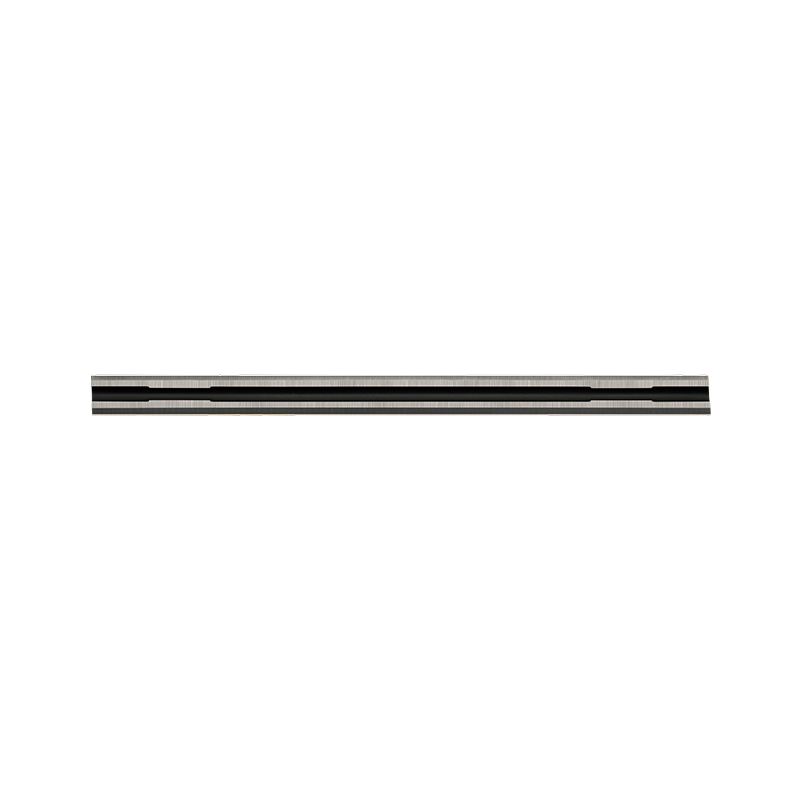
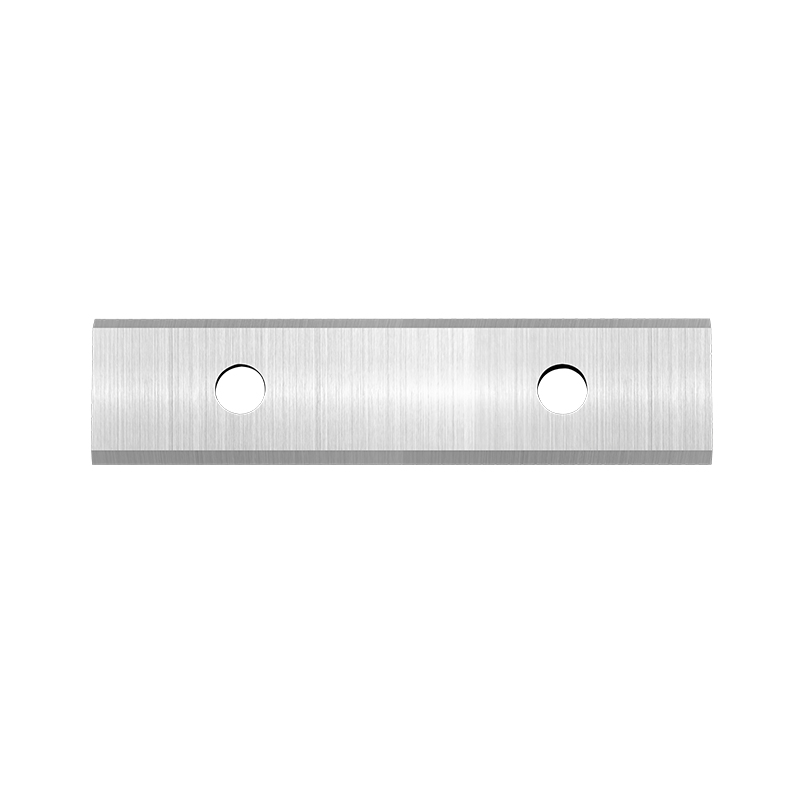
A larger clearance angle reduces the contact area between the back face of the cutter and the wood, lowering frictional heat and thus preventing discoloration or deformation of the wood due to high temperatures during planing.
Woodworking machine planer knives not only improve cutting smoothness and reduce energy consumption, but also achieve a high-gloss finish with an instant mirror finish, significantly reducing the need for subsequent sanding.
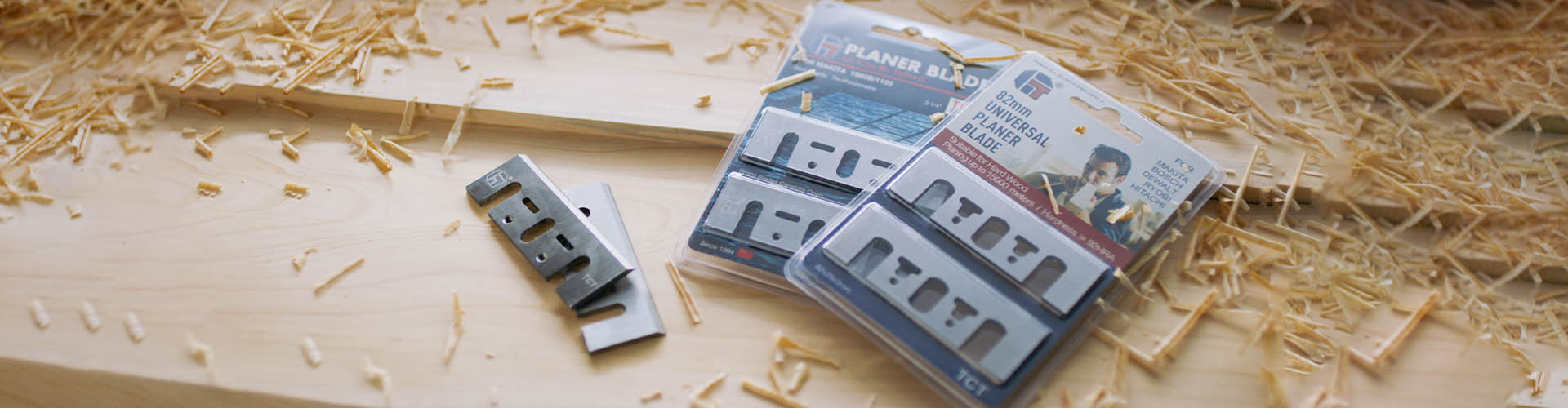
In the roar of the woodworking shop, the electric planer is the core tool for shaping wood, but what truly determines processing efficiency and surface quality is often that seemingly small yet incredibly sharp universal planer blade.
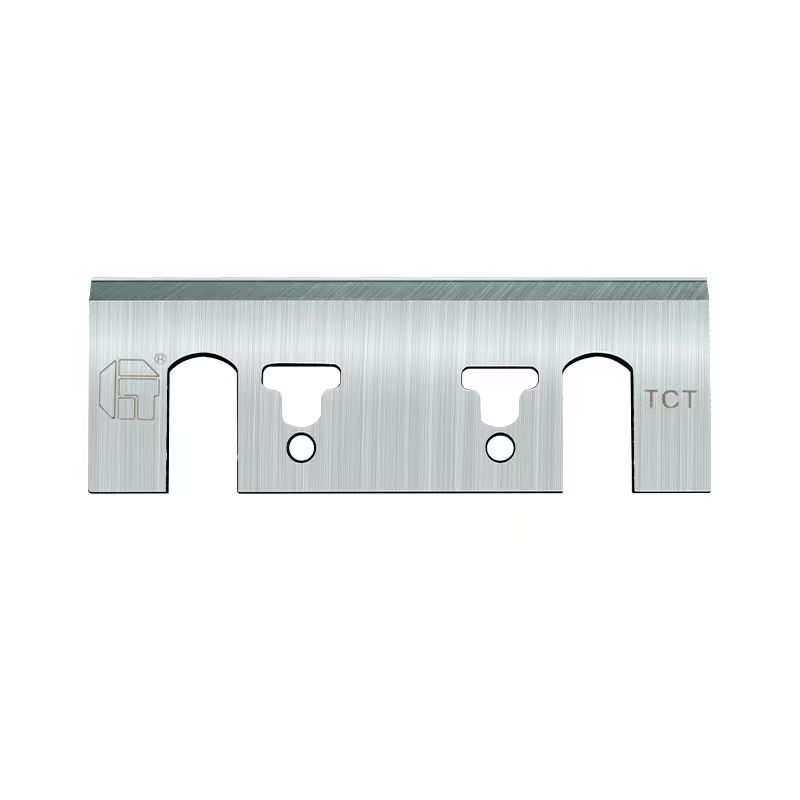
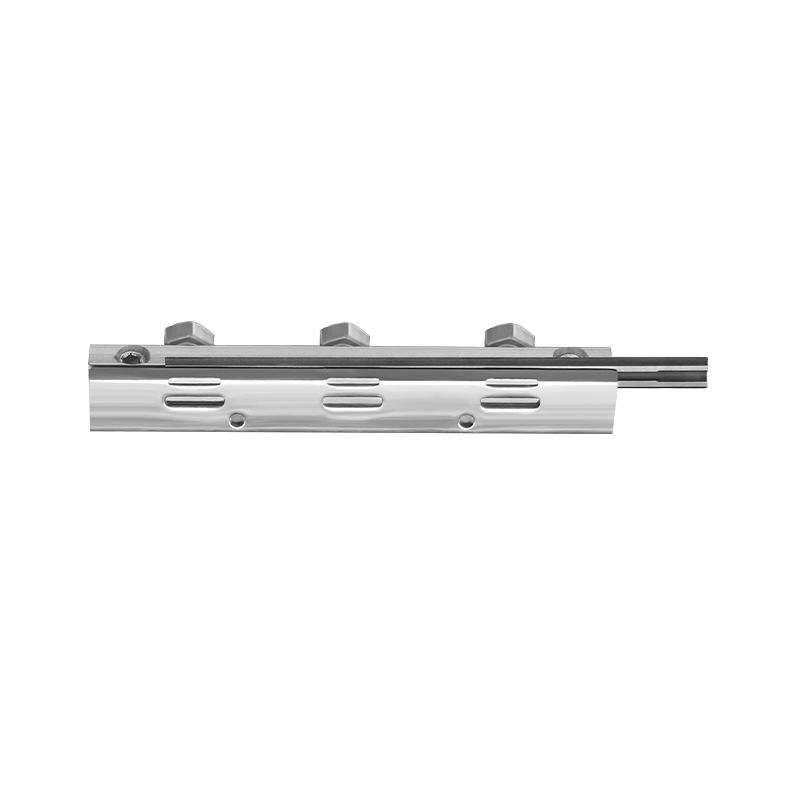
In woodworking machinery, the woodworking machine planer knives, as key components that directly contact the wood and complete the cutting process, have their cutting edge geometry directly determining the surface finish, cutting efficiency, and tool life
In woodworking workshops, furniture repair sites, and even on the workbenches of DIY enthusiasts, electric planers are key tools for shaping the smoothness and thickness accuracy of wood surfaces.
In woodworking, high-density or composite materials such as mahogany, compressed bamboo, and glued laminated wood are known for their hardness and density, posing a challenge to both craftsmanship and the limits of tool performance.