Can the mini electric planer blade become an irreplaceable precision tool in woodworking?
Publish Time: 2026-06-25
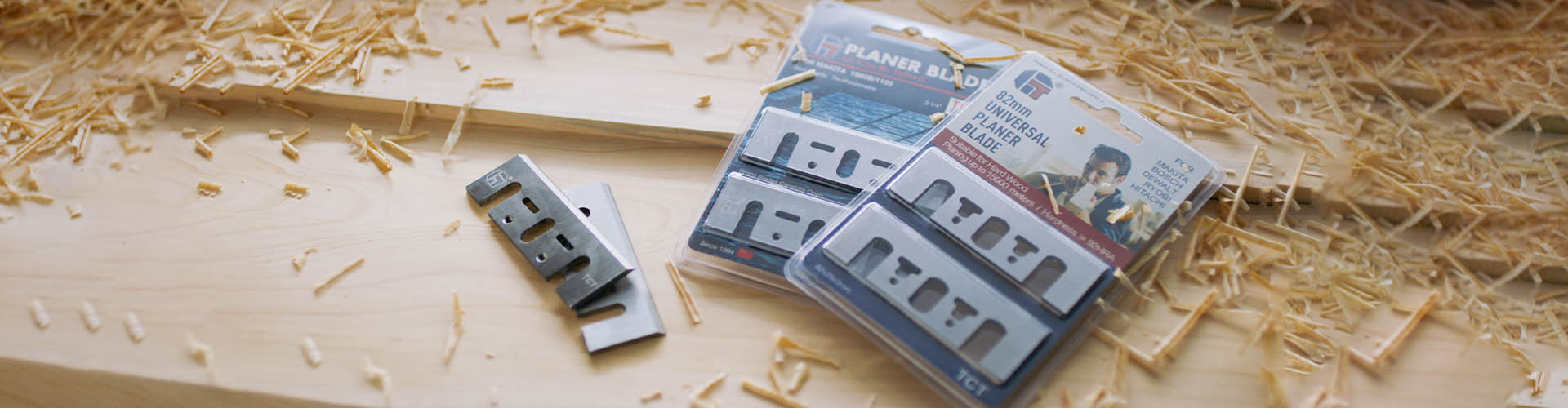
In the world of modern woodworking art and precision manufacturing, wood, as a vibrant natural material, places extremely high demands on processing tools due to its intricate grain and varying hardness. Whether dealing with rare hardwoods with hard textures and complex grains, or soft, easily cut common softwoods, planing, as the core process of wood surface treatment, directly determines the smoothness and gloss of the finished product. In this process, the mini electric planer blade, as a precision hardware accessory that comes into direct contact with the wood, becomes a key variable in determining processing efficiency and final quality through its material selection and performance.The mini electric planer blade product system profoundly reflects the precise application of materials science in specific fields. At the top of the pyramid are industrial-grade mini electric planer blades made of TC(A) material. These blades are designed to handle the most demanding processing environments, are particularly suitable for processing ultra-hardwoods or hardwoods, and can also handle softwoods with ease. TC(A) material endows the blade with extremely high hardness and excellent wear resistance. When facing ultra-hard materials such as rosewood and teak, it effectively resists intense friction and high temperatures, maintaining a long-lasting sharpness and straightness, ensuring ultimate stability under high-intensity continuous industrial operation.Following closely behind are professional-grade mini electric planer blades made of TC(B) material. Designed for professional woodworkers and high-end DIY enthusiasts, TC(B) material achieves a perfect balance between hardness and toughness. It is suitable not only for processing various hardwoods but also perfectly compatible with the processing needs of softwoods. In the hands of professional woodworkers, these blades easily handle complex wood grains, with a smooth and fluid cutting process, less prone to chipping or vibration, and producing a mirror-like surface, greatly enhancing the artistic quality and processing efficiency of professional works.In the entry-level and everyday household market, DIY mini electric planer blades made of HSS material occupy an important market position. High-speed steel (HSS), with its excellent cutting performance and relatively affordable cost, has become an ideal choice for processing softwoods. For woodworking enthusiasts, HSS blades not only provide a sufficiently sharp cutting experience to meet the needs of everyday furniture repair and crafting, but also possess excellent durability and easy-to-sharpen properties, making them the most reliable beginner companion for DIY enthusiasts exploring the world of woodworking.Furthermore, to further reduce the overall manufacturing cost, mini electric planer blades made of HCS material are also available on the market. These blades are only suitable for planer assembly and are usually included as standard consumables with the equipment. While HCS material is not as hard or wear-resistant as the aforementioned special alloys, its economical and practical characteristics effectively control the initial purchase threshold of the entire machine, providing a foundation for the popularization and promotion of the equipment.The refined grading of mini electric planer blades from industrial to DIY grades vividly illustrates the precise response of modern hardware manufacturing to diversified market demands. It is no longer a standardized universal accessory, but rather, based on the different physical properties of materials such as TC(A), TC(B), HSS, and HCS, it is endowed with distinct missions and values. As the precise blades slice across the wood surface, their silent yet resolute power transforms rough logs into exquisite works of art, infusing modern woodworking with efficiency, precision, and an unwavering pursuit of quality.